
SALLY SILBERBERG
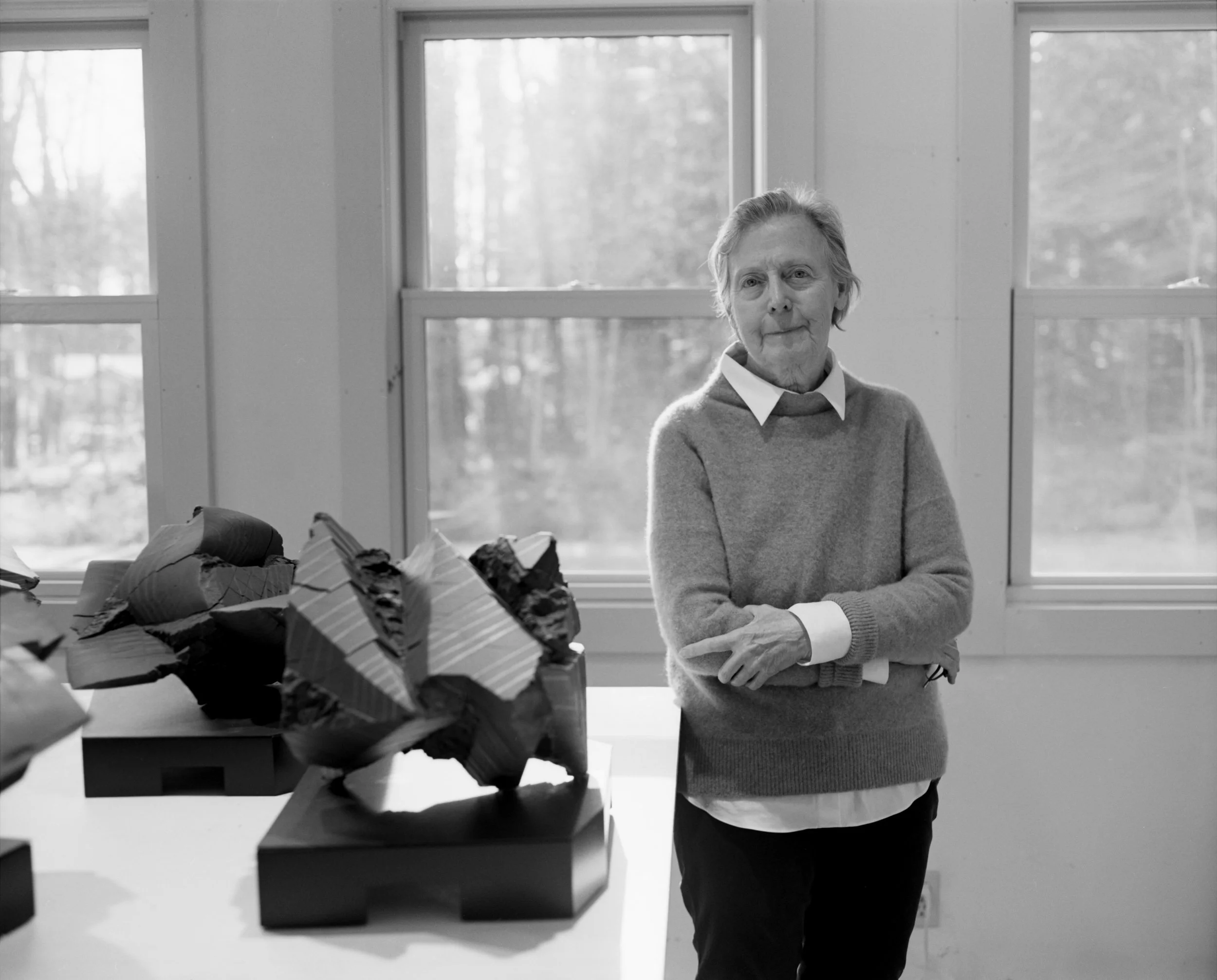
In 1969, fresh out of college and with a baby in tow, Sally Silberberg made a bold decision to transform an empty storefront in Park Slope, Brooklyn, into a ceramics studio and tiny store, aptly named The Clay Pot. Embracing a life philosophy that “adversity is the agent of change,” Silberberg has navigated a dynamic artistic career spanning over five decades and various mediums.
In 1974, Silberberg and her husband Bob relocated their studio to Plainfield, MA but kept The Clay Pot to sell their work. They established a successful wholesale pottery business, selling to notable retailers such as the original Pottery Barn and Neiman Marcus.
In 1980 a fire destroyed their studio, prompting them to change the nature of The Clay Pot to include other crafts, allowing Sally to explore different directions in ceramics. She stopped making functional stoneware and began throwing translucent porcelain objects.
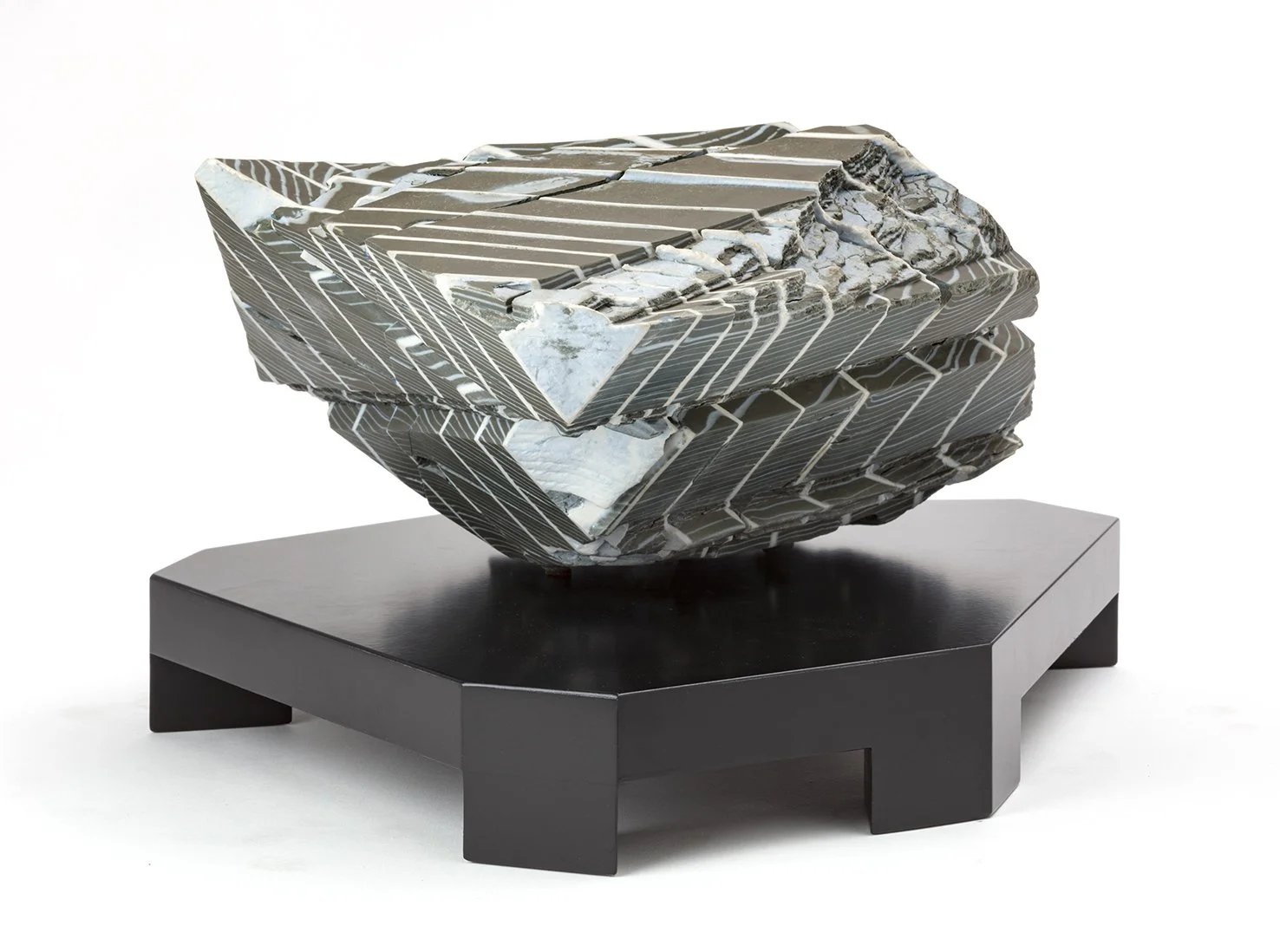
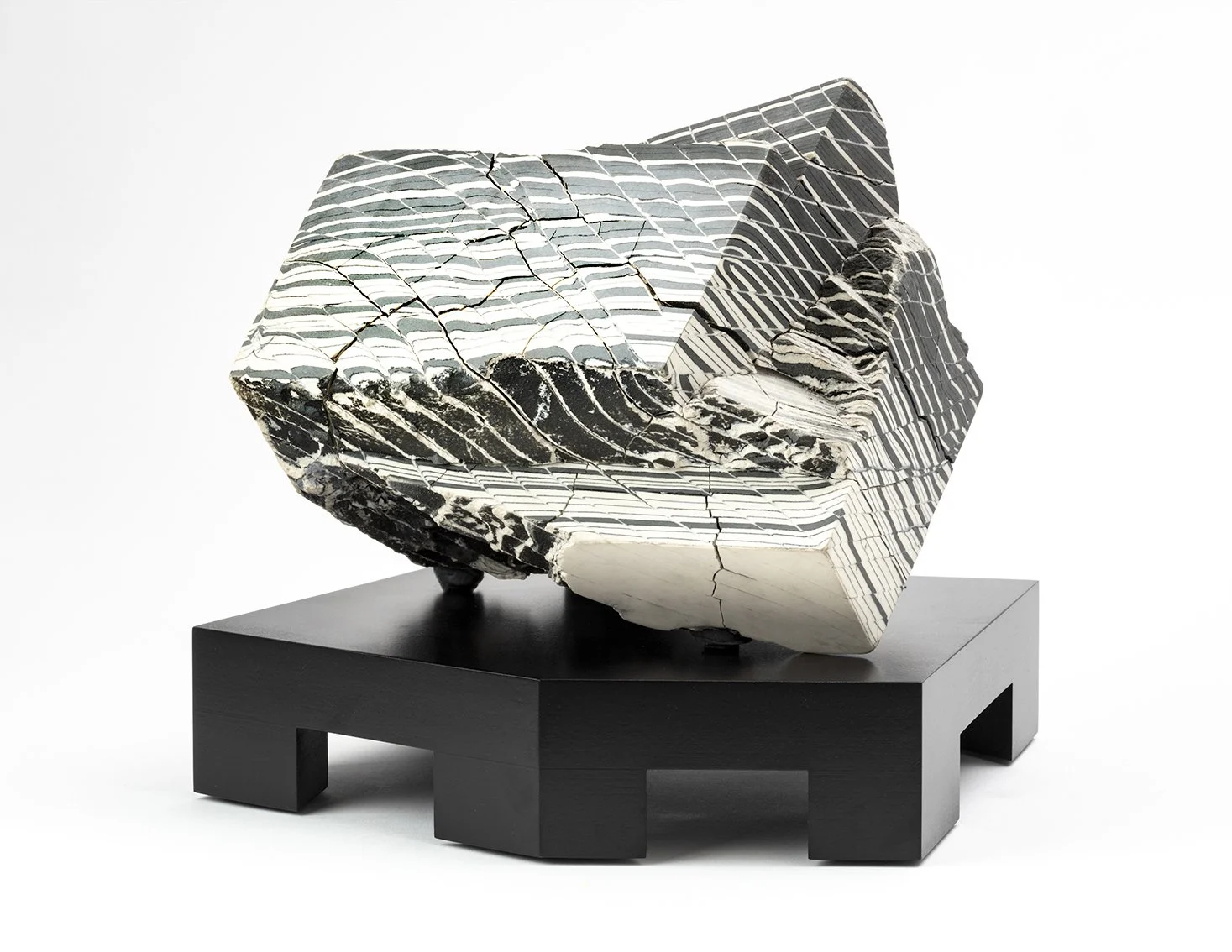
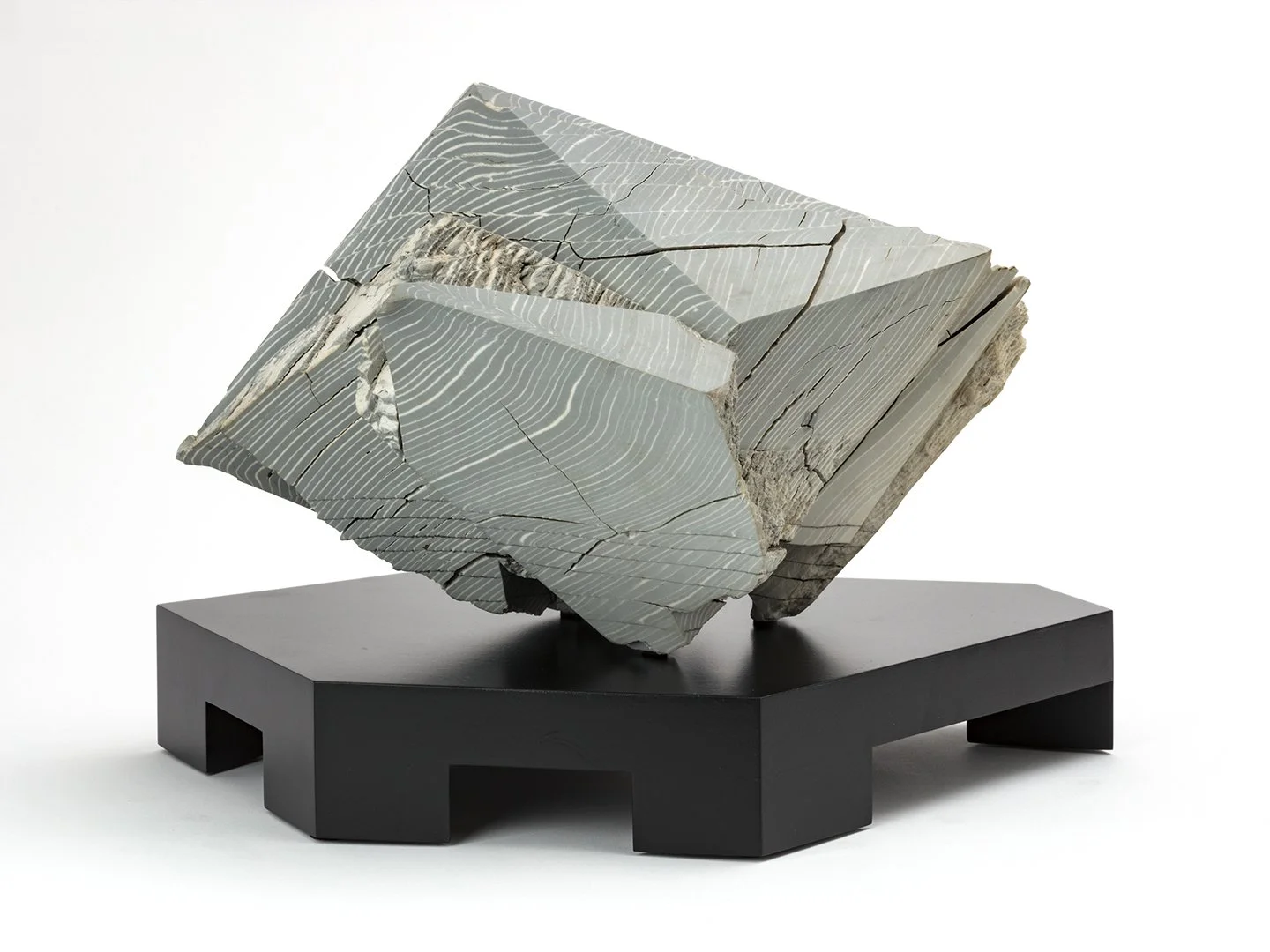
Fascinated by the challenges of the material, she pushed its boundaries, throwing impossibly thin, light-filled vessels, and then thought it might be possible to use this same dense porcelain to create a structured block of clay that could be carved as if it were soft stone. Two of these sculptures are now part of the prestigious Smithsonian and Brooklyn Museum collections.
A return to Brooklyn in the late 80s fractured the momentum of the sculpture series, and so Silberberg decided to paint. The first paintings referenced the graphic structure and tonal gradations found in the sculptures.
Once color was added, the focus of the paintings shifted to the control of light value. The small color studies evolved into large paintings, transforming theoretical exercises into the work itself.
The drawings were created after her return to Western Massachusetts in the 2010s, and are a response in two dimensions to the energy of the forest’s random repetitions, complicated space, shadow, and light.
Throughout her journey, Silberberg has explored clay, paint, and pencil with an open mind. By defining a framework of rigor without rigidity, these materials have revealed themselves in unexpected ways, allowing her to create a body of work that embodies both place and process.
Artist Statement
My work begins as a challenge to perception, driven by a pursuit of materials’ hidden possibilities. I rely on chance to open closed doors, using uncertainty as an active process in the search for the unexpected and the out of the ordinary.
The porcelain sculptures made in the late 1980s were a counterintuitive continuation of the thrown, translucent porcelain I produced earlier in the decade. If finely thrown porcelain could mimic the qualities of opaque glass, I mused: could it also be perceived as solid stone?
This simple question resulted in a series of sculptures that pushed me across technical boundaries. Each piece began as a unique, fabricated block of wet porcelain—built rather than thrown—then carved, dried, and fired. Forms deliberately constructed, to be deconstructed.
Through this process, porcelain became transformed, challenging assumptions about ceramics; inviting the viewer to reconsider what they see. The two-dimensional work from the last three decades, continues to rely on this same interplay of intention and chance.